Analog or Analogue: Meaning, Usage, and Examples in English
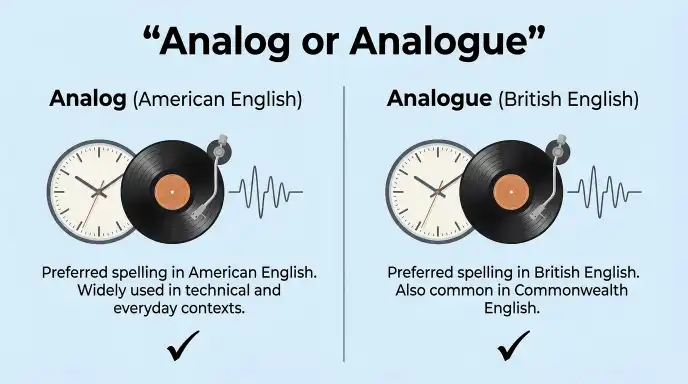
The correct choice between analog or analogue depends on your audience, region, and context. Both spellings are correct, and both ...
Read more
Shyer or Shier: Meaning, Usage, and Examples in English
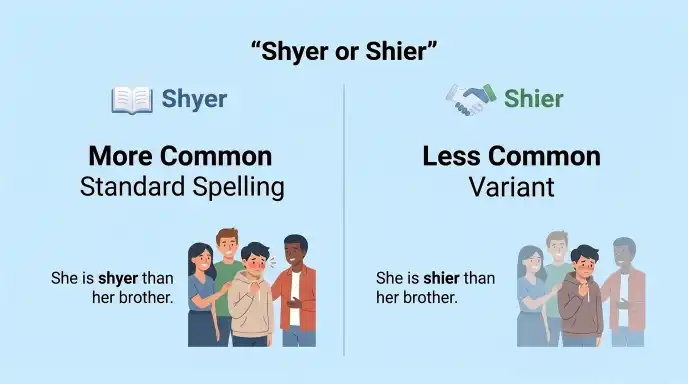
Shyer and shier are both correct spellings. They are comparative forms of the word shy and mean more shy or ...
Read more
Camaraderie or Comradery: Correct Spelling, Meaning & Usage

Camaraderie is the more common spelling, but comradery is also correct. Both words mean friendship, trust, and support among people ...
Read more
Saber or Conocer: Meaning, Usage, and Examples in Spanish
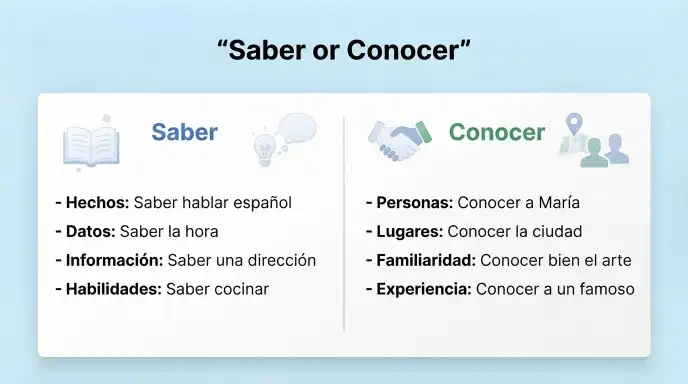
Saber and conocer both mean “to know” in Spanish, but they are not used in the same way. Saber is ...
Read more
Focusses or Focuses: Correct Spelling, Meaning & Usage
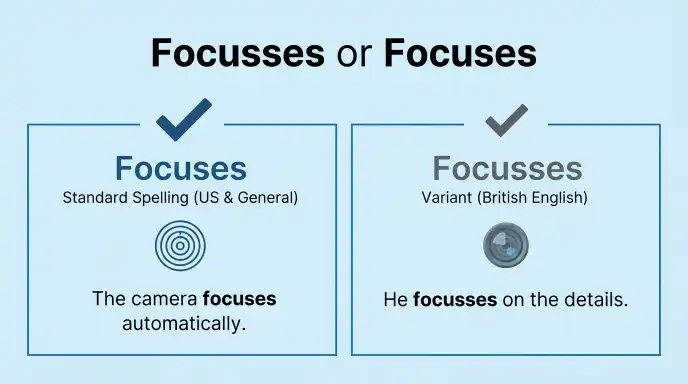
Both “focusses” and “focuses” are correct, but “focuses” is more common in American English, while “focusses” is preferred in British ...
Read more
Cubby or Cubbie: Meaning, Usage, and Examples in English

Cubby is the standard spelling, while cubbie is a less common variant. Both words can refer to a small storage ...
Read more
Ketchup or Catsup: Meaning, Usage, and Correct Spelling

Ketchup or catsup? Both spellings refer to the same tomato-based condiment, but ketchup is the standard and far more common ...
Read more
Colombia or Columbia: How Are These Words Different?

Colombia is the correct spelling for the South American country, while Columbia is used for certain places, institutions, and names. ...
Read more
Systemic or Systematic: Meaning, Differences & Usage
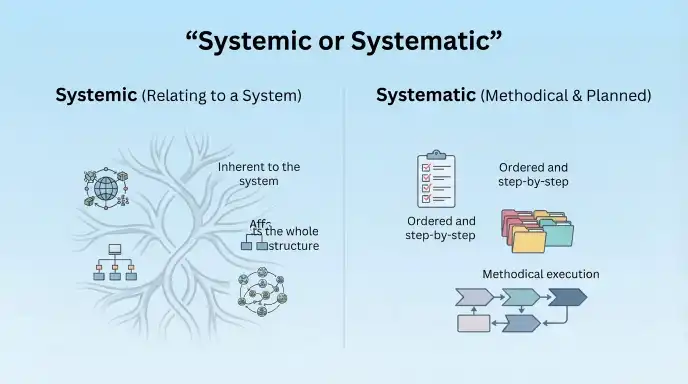
If you are unsure if to use systemic or systematic, choose systemic when you mean something that affects a whole ...
Read more
Grieve or Grief: Meaning, Usage, and Examples in English
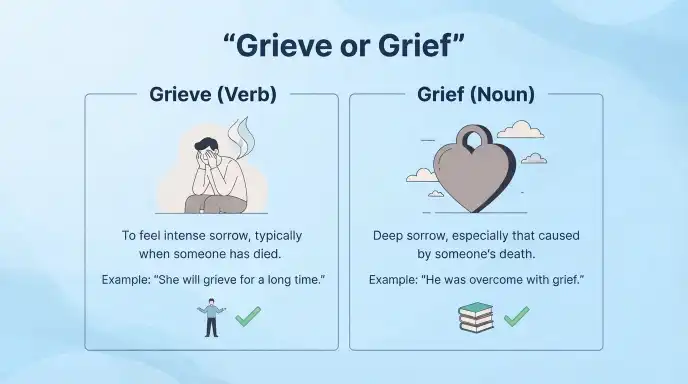
Losing someone or something important can bring deep sadness, but grieve and grief are not interchangeable because one is mainly ...
Read more